

Selecting the Right Countertop Material
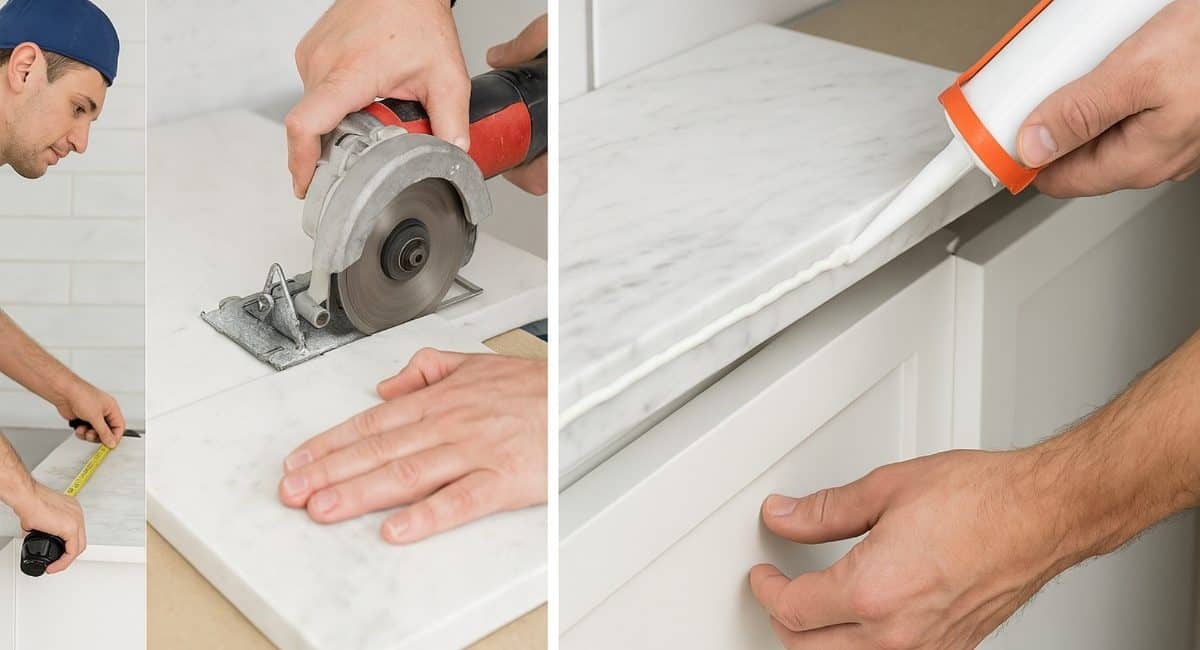
When it comes to renovating your kitchen, selecting the right countertop material is crucial for both functionality and aesthetics. Different materials offer various benefits and drawbacks, so it's essential to choose one that fits your needs and style.Granite:Granite countertops are known for their durability and natural beauty.
They are heat and scratch-resistant, making them ideal for busy kitchens. However, they require regular sealing to prevent staining and can be quite expensive.Quartz:Quartz countertops are engineered stone surfaces that are non-porous, making them easy to clean and maintain. They come in a wide range of colors and patterns, offering versatility in design.
While they are resistant to stains and scratches, they can be prone to damage from heat.Marble:Marble countertops add a touch of elegance to any kitchen with their unique veining and luxurious appearance. They are heat-resistant, but they are more susceptible to staining and scratching compared to other materials.
Regular sealing and maintenance are necessary to preserve their beauty.Laminate:Laminate countertops are an affordable option that comes in various colors and patterns, making them versatile for different kitchen styles. They are easy to clean and maintain but are not as durable as natural stone countertops.
Laminate can be prone to scratching and chipping over time.Matching the Countertop Material with the Overall Kitchen Design:When choosing a countertop material, consider the overall design and style of your kitchen. Granite and quartz are versatile options that can complement various kitchen designs, from modern to traditional.
Marble is best suited for elegant and luxurious kitchens, while laminate is a budget-friendly choice for more casual or contemporary spaces.Remember to prioritize your needs for durability, maintenance, and aesthetics when selecting the right countertop material for your kitchen renovation project.
Measuring and Estimating Materials
Accurately measuring the countertop area and estimating the required materials are crucial steps in the kitchen renovation process. By following a step-by-step guide and considering extra material for cuts and mistakes, you can ensure a smooth and successful countertop replacement project.
Measuring the Countertop Area
To measure the countertop area for replacement, follow these steps:
- Start by measuring the length and width of each section of the countertop.
- Calculate the square footage of each section by multiplying the length by the width.
- Add up the square footage of all sections to determine the total area to be covered.
- Take note of any irregularities or corners that may require additional measurements.
Estimating Material Needed
When estimating the amount of material needed, consider the following:
- Calculate the total square footage of the countertop area to be covered.
- Check the material specifications to determine how much coverage you can get per unit (e.g., square feet per slab).
- Divide the total square footage by the coverage per unit to determine the number of units needed.
- Round up to the nearest whole unit to account for cuts, edges, and mistakes during installation.
It is recommended to add an extra 10-15% of material to your estimated amount to accommodate for cuts, corners, and unexpected errors.
Removing the Existing Countertops
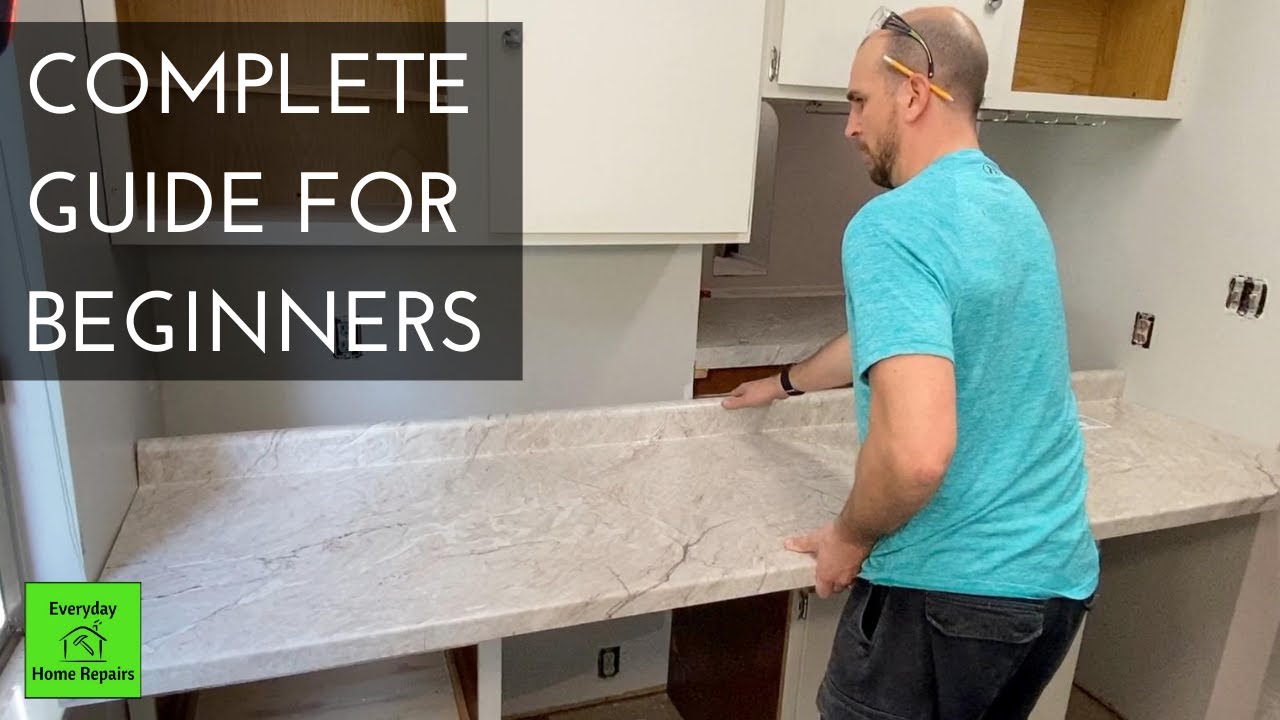
When it comes to renovating your kitchen, removing the existing countertops is a crucial step in the process. This task requires the right tools, careful planning, and attention to detail to ensure a smooth transition to the new countertops.
Tools and Equipment Required
To safely remove old countertops, you will need the following tools and equipment:
- Protective gear such as gloves and safety goggles
- Utility knife or putty knife
- Cordless drill or screwdriver
- Pry bar or crowbar
- Hammer
- Bucket for collecting debris
- Trash bags for disposal
Methodical Approach to Dismantling
- Start by clearing off the countertops and removing any appliances or items on top.
- Turn off the water supply to the sink and disconnect the plumbing.
- Use the utility knife or putty knife to cut through any caulk or adhesive holding the countertops in place.
- Unscrew any screws or fasteners securing the countertops to the cabinets.
- Carefully lift and remove the old countertops, being mindful of any sharp edges or heavy pieces.
- Dispose of the old countertops responsibly, either by recycling or contacting a waste disposal service.
Preparing the Kitchen Space
Before removing the existing countertops, it's essential to prepare the kitchen space for the replacement process. Here are some tips to keep in mind:
- Cover the floors and cabinets with protective materials to prevent damage during removal.
- Ensure there is enough space to work safely and maneuver large pieces of countertop.
- Have a designated area for storing tools and equipment to keep the workspace organized.
- Plan for proper ventilation to minimize dust and debris in the kitchen area.
Installing the New Countertops
When it comes to installing the new countertops for your kitchen renovation, there are several key steps to follow to ensure a seamless and professional-looking installation.
Securing the Countertop
- Start by placing the new countertop in position to ensure it fits correctly.
- Use shims to level the countertop and make any necessary adjustments.
- Apply silicone adhesive along the top edges of the cabinets to secure the countertop in place.
- Use screws from underneath the cabinets to further secure the countertop.
Ensuring a Professional Finish
- Once the countertop is secured, use a seam filler to fill any gaps between the countertop pieces.
- Smooth out the filler to create a seamless look.
- Apply a bead of caulk along the edges of the countertop to prevent water damage.
- Finish off the installation by adding any trim pieces for a polished look.
Quick FAQs
How do I choose the right countertop material for my kitchen??
Consider factors like durability, maintenance, and design aesthetics when selecting the perfect countertop material for your kitchen. Granite, quartz, marble, and laminate are popular options with their unique pros and cons to match your needs.
What tools are needed to remove existing countertops?
You will require tools such as a screwdriver, utility knife, pry bar, and safety goggles to safely remove old countertops. Make sure to follow proper safety precautions during the removal process.
How can I estimate the amount of material needed for countertop replacement?
Start by accurately measuring the countertop area and then follow a step-by-step guide to estimate the material quantity required. Include extra material for cuts, edges, and any mistakes that may occur during installation.