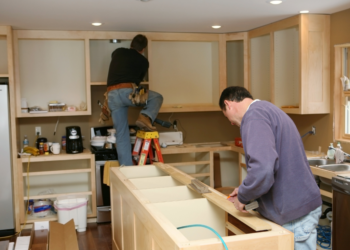

How to Prepare Old Cabinets for Upcycling
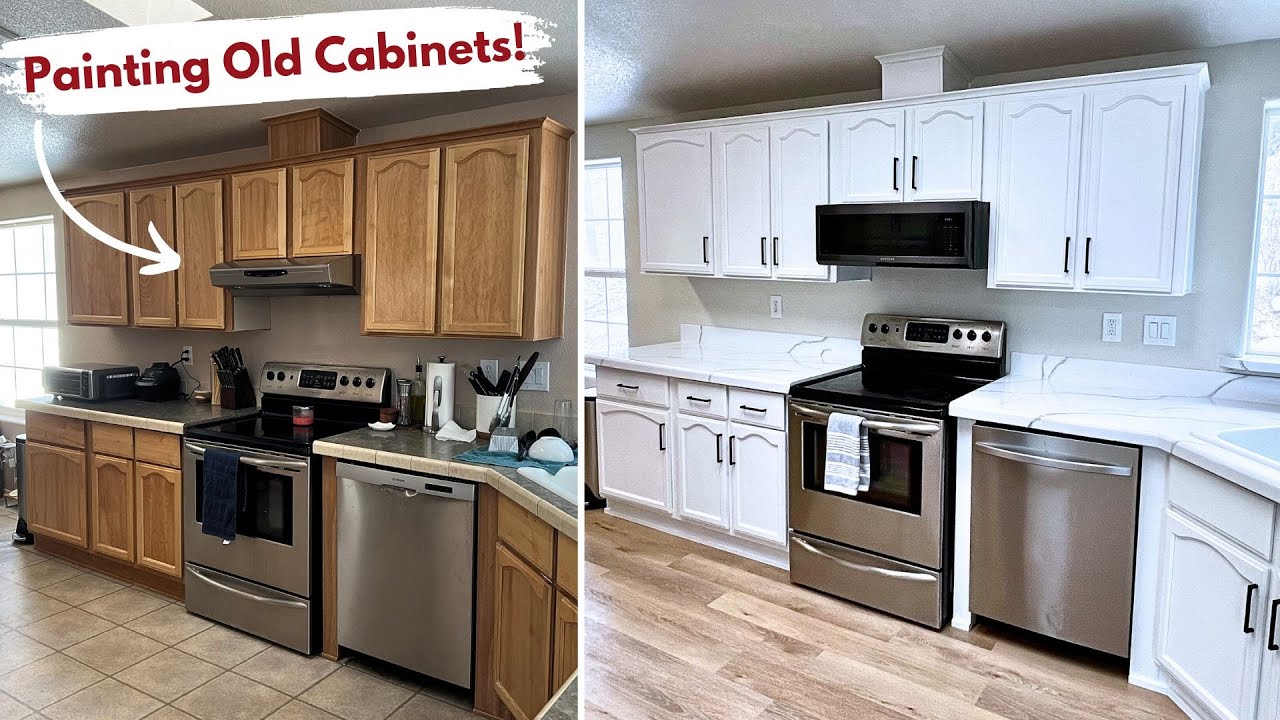
When upcycling old cabinets, proper preparation is key to achieving a successful transformation. This involves cleaning, sanding, and removing hardware to ensure a smooth painting process.
Cleaning the Cabinets
Start by removing any dirt, grease, or grime from the cabinets using a mild detergent and warm water. This step is crucial to ensure that the paint adheres properly to the surface.
Sanding the Cabinets
Next, sand the cabinets to create a rough surface for the paint to grip onto. Use a medium-grit sandpaper to remove the existing finish and smooth out any imperfections. This will help the new paint adhere better and result in a more professional finish.
Removing Hardware and Doors
Before painting, it's important to remove all hardware such as knobs, handles, and hinges from the cabinets. This will make the painting process easier and ensure a clean and even coat of paint. Additionally, consider taking off the cabinet doors to paint them separately for a more thorough and polished look.
Waterproof Paint Solutions for Upcycling
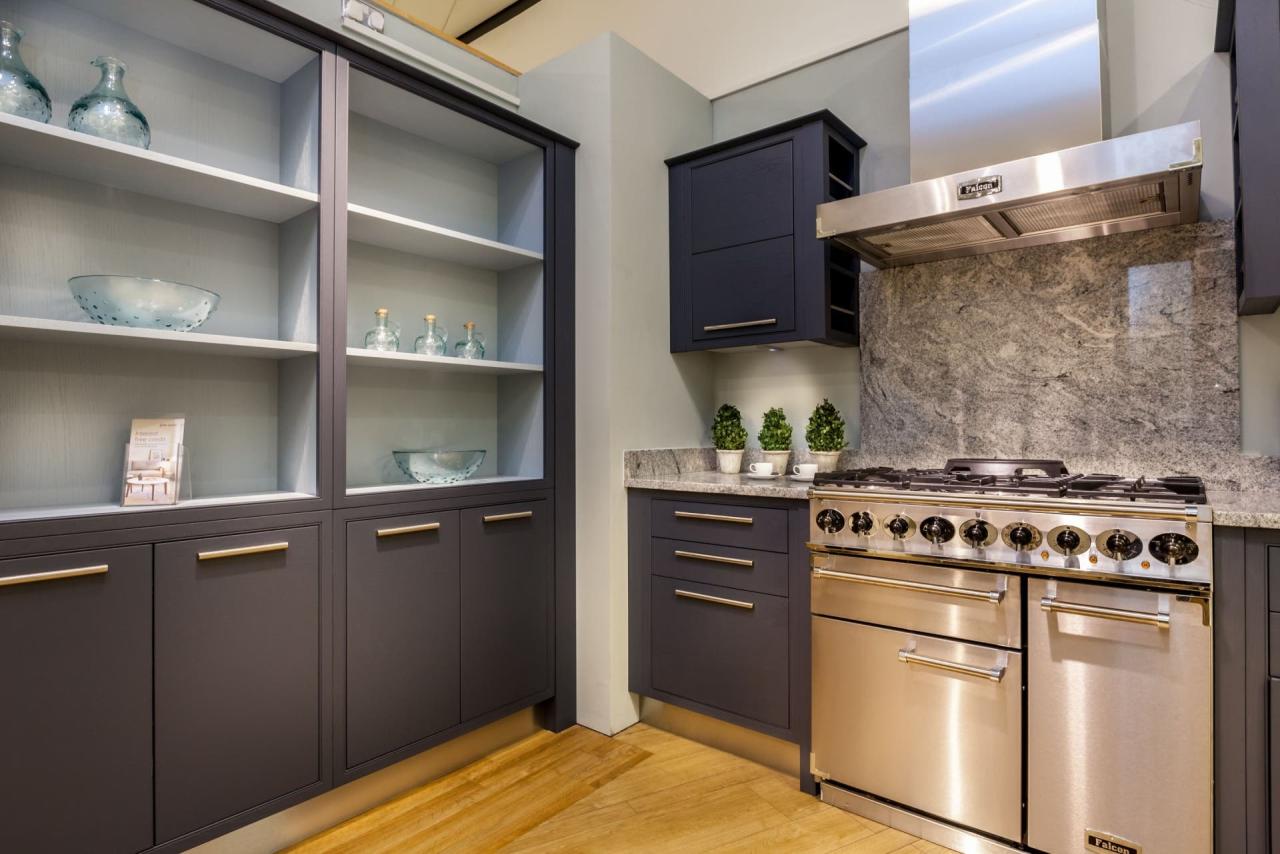
When upcycling old cabinets for your kitchen, choosing the right waterproof paint is crucial to ensure durability and a lasting finish. Here, we will explore different types of waterproof paint suitable for kitchen cabinets, compare the benefits of oil-based vs.
water-based options, and discuss techniques for applying waterproof paint evenly on cabinets.
Types of Waterproof Paint for Kitchen Cabinets
- Acrylic Paint: Acrylic paint is a popular choice for kitchen cabinets due to its durability and ease of application.
- Oil-Based Paint: Oil-based paint provides a tough and long-lasting finish, making it ideal for high-traffic areas like the kitchen.
- Latex Paint: Latex paint is water-based and offers quick drying times, making it a convenient option for cabinet upcycling projects.
Benefits of Oil-Based vs. Water-Based Waterproof Paints
- Oil-Based Paint:Oil-based paints are known for their durability and resistance to stains and moisture. They provide a smoother finish but require longer drying times and proper ventilation during application.
- Water-Based Paint:Water-based paints are eco-friendly, have low odor, and dry quickly. While they may not be as durable as oil-based options, they are easier to clean up and offer a more flexible finish.
Techniques for Applying Waterproof Paint on Cabinets
- Preparation: Clean and sand the cabinets thoroughly before applying the waterproof paint to ensure proper adhesion.
- Priming: Use a high-quality primer suitable for the type of paint you are using to enhance adhesion and provide a smooth base for the waterproof paint.
- Application: Apply the waterproof paint in thin, even coats using a brush, roller, or sprayer. Allow proper drying time between coats for a professional finish.
- Sealing: Once the paint has dried completely, consider applying a clear topcoat or sealer to protect the finish from water damage and daily wear and tear.
Creative Upcycling Ideas for Cabinets
:max_bytes(150000):strip_icc()/SPR-how-to-clean-wood-cabinets-7964253-03-f3fe8f0b0c4f4d4abe94e018e4e87768.jpg "How to Degrease Wood Kitchen Cabinets Without Damaging Them")
When it comes to upcycling cabinets, the possibilities are endless. With the right waterproof paint solutions and a bit of creativity, you can transform old cabinets into stunning pieces that breathe new life into your space.
Unique Designs and Patterns
One way to upcycle cabinets is by experimenting with unique designs and patterns using waterproof paint. Consider geometric shapes, abstract patterns, or even floral motifs to add a touch of personality to your cabinets.
Textures and Stencils
Another creative upcycling idea is to incorporate textures or stencils into your cabinet design. You can use textured paint or stencils to create intricate designs that give your cabinets a one-of-a-kind look. Think outside the box and experiment with different techniques to achieve the desired effect.
Maintenance Tips for Upcycled Cabinets
Maintaining upcycled cabinets is essential to ensure their longevity and performance. Proper care and regular inspections can help preserve the quality of the waterproof paint solutions used on the cabinets.
Regular Cleaning and Care
- Use a mild soap and water solution to clean the cabinets regularly, avoiding harsh chemicals that can damage the paint.
- Wipe down the cabinets with a soft cloth to remove dust and debris, preventing buildup that can affect the waterproofing.
- Avoid abrasive scrubbers or pads when cleaning to prevent scratching the paint surface.
Periodic Inspections and Touch-Ups
- Inspect the cabinets periodically for any signs of wear, such as peeling or chipping paint, and address these issues promptly.
- Touch up any areas where the paint has worn off to maintain the waterproofing and protect the cabinets from moisture damage.
- Consider reapplying a waterproof sealant or topcoat to enhance the durability of the paint and extend the lifespan of the cabinets.
FAQ Summary
What are the different types of waterproof paint suitable for kitchen cabinets?
Common types include acrylic, latex, and oil-based paints that provide durability and water resistance for kitchen cabinets.
How can I maintain the quality of upcycled cabinets?
Regular cleaning with a mild detergent, avoiding harsh chemicals, and periodic touch-ups can help maintain the quality and appearance of upcycled cabinets.
What are some creative ways to upcycle cabinets using waterproof paint?
You can experiment with different colors, patterns, and textures, or even try stenciling to create unique designs on upcycled cabinets.