

Office Fit Out Companies' Role in Acoustic Solutions
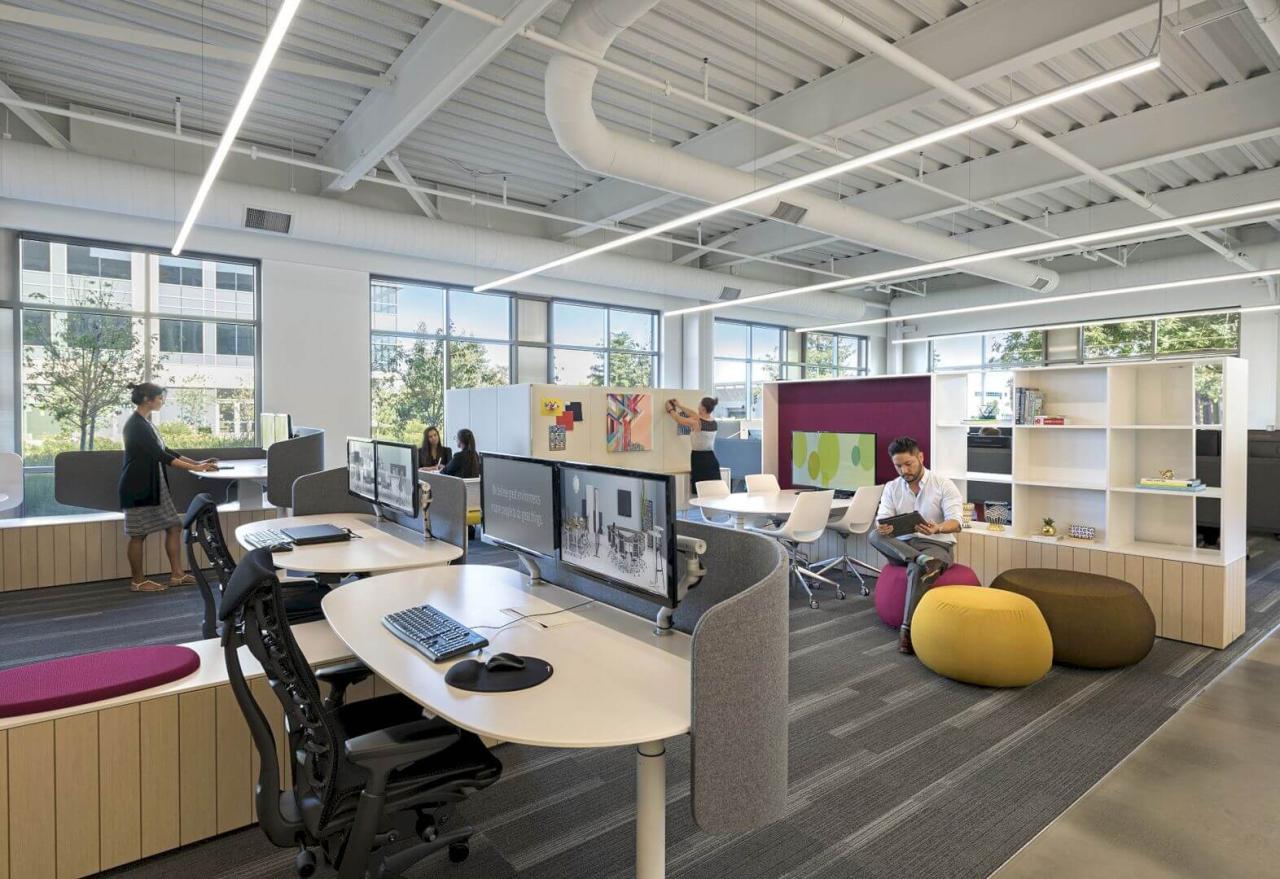
Acoustic solutions play a crucial role in creating a productive and comfortable work environment, especially in open-plan office spaces where noise levels can easily escalate. Office fit out companies have the expertise to address these acoustic challenges and enhance the overall workspace experience for employees.
The Importance of Acoustic Solutions
Effective acoustic solutions can significantly reduce noise distractions in open-plan areas, allowing employees to focus better on their tasks and improving overall productivity. By implementing sound-absorbing materials, strategic layout designs, and innovative technologies, office fit out companies can create a more conducive work environment.
Enhancing Acoustics in the Workplace
- Installing acoustic panels on walls and ceilings to absorb sound waves.
- Using sound masking systems to create a consistent background noise level that masks distractions.
- Integrating soundproof partitions or screens to provide privacy and reduce noise transmission.
- Optimizing furniture placement to minimize sound reverberation and enhance acoustics.
Impact of Poor Acoustics on Employee Productivity and Well-being
Poor acoustics in the workplace can lead to increased stress, reduced concentration, and lower job satisfaction among employees. It can also contribute to fatigue and overall dissatisfaction with the work environment, ultimately affecting productivity levels and employee well-being. Office fit out companies play a vital role in mitigating these negative effects through effective acoustic solutions.
Implementing Acoustic Solutions
When it comes to implementing acoustic solutions in open-plan areas, it is crucial to consider the different types of solutions available and how they can be tailored to specific office layouts.
Types of Acoustic Solutions
There are various types of acoustic solutions that are suitable for open-plan areas, including:
- Sound-absorbing panels: These panels are designed to reduce reverberation and absorb sound, helping to minimize noise levels in the space.
- Acoustic ceiling tiles: These tiles are installed on the ceiling to improve sound insulation and reduce noise transfer between floors.
- Desk partitions: Desk partitions can help create individual workspaces within an open-plan area, reducing distractions and improving privacy.
Selecting the Right Acoustic Solutions
When selecting the right acoustic solutions for a specific office layout, factors such as the size of the space, the number of employees, the type of work being done, and budget constraints need to be taken into consideration. It is essential to conduct a thorough assessment of the area and consult with acoustic experts to determine the most effective solutions.
Sound-Absorbing Materials vs. Sound Masking Technologies
Sound-absorbing materials work by absorbing sound waves and reducing noise levels in a space, while sound masking technologies work by adding background noise to mask unwanted sounds. Both options have their advantages and can be effective in different scenarios. Sound-absorbing materials are often used in areas where speech privacy is important, while sound masking technologies are more suitable for creating a consistent sound environment throughout the space.
Design Considerations for Acoustic Solutions
When designing acoustic solutions for open-plan areas, there are several key factors to consider in order to achieve an optimal balance between aesthetics and functionality. It is essential to create a space that not only looks good but also effectively controls sound to enhance productivity and comfort for occupants.
Material Selection
- Choose sound-absorbing materials such as acoustic panels, ceiling tiles, carpets, and curtains to reduce noise levels.
- Consider the NRC (Noise Reduction Coefficient) rating of materials to ensure effective sound absorption.
- Opt for eco-friendly options like recycled materials that offer both acoustic benefits and sustainability.
Furniture Placement
- Arrange furniture strategically to create sound barriers and minimize sound reflection.
- Use bookshelves, plants, and partitions to break up sound waves and prevent noise from traveling across the space.
- Avoid placing desks directly facing each other to reduce direct sound transmission between workstations.
Room Layout and Design
- Utilize irregular shapes and textures in the design to scatter sound waves and reduce reverberation.
- Incorporate sound-absorbing elements like wall panels or baffles without compromising the overall aesthetic of the space.
- Consider the placement of doors, windows, and other architectural features to minimize sound leakage and optimize acoustic performance.
Employee Engagement and Acoustic Solutions

Acoustic solutions play a crucial role in enhancing the overall work environment, and employee engagement is no exception. When employees are provided with a workplace that offers optimal acoustic comfort, it can significantly impact their engagement and collaboration levels.
Impact of Acoustic Solutions on Employee Engagement
Implementing effective acoustic solutions in open-plan areas can reduce noise distractions, improve speech intelligibility, and create a more comfortable work environment for employees. This can lead to increased focus, productivity, and overall satisfaction among employees, ultimately boosting their engagement levels.
- Reduced Noise Distractions: By minimizing noise disruptions through acoustic solutions such as sound-absorbing panels or partitions, employees can work more efficiently without being constantly interrupted.
- Improved Speech Intelligibility: Clear communication is essential for effective collaboration. Acoustic solutions that enhance speech clarity can facilitate better interactions among employees, fostering a more engaged and cohesive team.
- Enhanced Comfort: Providing a work environment with optimal acoustic conditions can contribute to employees' overall comfort and well-being, leading to higher levels of job satisfaction and engagement.
Strategies for Involving Employees in Acoustic Solutions Selection
Engaging employees in the selection process of acoustic solutions can ensure that their preferences and needs are taken into consideration. Here are some strategies to involve employees in choosing the right acoustic solutions:
- Survey or Feedback Sessions: Conduct surveys or feedback sessions to gather input from employees regarding their acoustic preferences and any issues they may be experiencing.
- Mock-Up Presentations: Provide mock-up presentations of different acoustic solutions to allow employees to experience and evaluate the impact of each option firsthand.
- Collaborative Decision-Making: Involve employees in the decision-making process by forming a committee or focus group dedicated to selecting the most suitable acoustic solutions for the workspace.
Role of Acoustic Comfort in Creating a Conducive Work Environment
Acoustic comfort plays a vital role in shaping the overall work environment and influencing employee well-being. Here's how acoustic comfort contributes to creating a conducive workplace:
- Stress Reduction: A quiet and acoustically comfortable environment can help reduce stress levels among employees, promoting a more relaxed and focused atmosphere.
- Productivity Enhancement: Optimal acoustic conditions can boost productivity by minimizing distractions and allowing employees to concentrate on their tasks more effectively.
- Team Collaboration: Improved acoustics can facilitate better communication and collaboration among team members, fostering a more cohesive and engaged workforce.
Detailed FAQs
How do office fit out companies contribute to enhancing acoustics in the workplace?
Office fit out companies utilize specialized knowledge and innovative solutions to address acoustic challenges and create a conducive work environment.
What are some key factors to consider when selecting acoustic solutions for open-plan areas?
Factors such as layout, materials, and budget play a crucial role in determining the most suitable acoustic solutions for a specific office space.
How can poor acoustics impact employee productivity and well-being?
Poor acoustics can lead to distractions, reduced focus, and increased stress levels among employees, ultimately affecting their overall performance and satisfaction at work.