
Introduction to DIY Kitchens
DIY kitchens refer to the concept of designing, assembling, and installing your own kitchen cabinets, countertops, and other fixtures without the need for professional help. This hands-on approach allows homeowners to customize their kitchen space according to their preferences and budget.
Opting for a DIY kitchen project offers several benefits, such as cost savings, creative freedom, and a sense of accomplishment. By taking control of the design and construction process, individuals can tailor their kitchen to suit their unique style and needs.
The Importance of Achieving a Designer Look on a Modest Budget
Creating a designer look in your kitchen on a modest budget is crucial for those who want to achieve a high-end aesthetic without breaking the bank. With strategic planning, smart shopping, and DIY skills, homeowners can transform their kitchen into a stylish and functional space that rivals professionally designed kitchens.
Planning Your DIY Kitchen Design
When embarking on a DIY kitchen project, proper planning is essential to ensure a successful outcome that meets your needs and style preferences. Here are some initial steps to consider when planning your DIY kitchen design:
Key Elements to Consider in Designing a Kitchen Layout
- Functionality: Consider how you will use the space and ensure that the layout allows for efficient workflow in the kitchen.
- Storage: Determine the amount of storage you need and plan for cabinets, drawers, and pantry space accordingly.
- Appliance Placement: Position appliances strategically for ease of use and to create a cohesive look in the kitchen.
- Work Triangle: Ensure that the sink, stove, and refrigerator form a functional work triangle for optimal efficiency.
Comparison of Different Design Styles and Their Impact
- Modern: Sleek lines, minimalist design, and high-tech appliances create a contemporary look in the kitchen.
- Traditional: Warm colors, ornate details, and classic elements evoke a timeless and inviting feel in the kitchen.
- Rustic: Natural materials, vintage accents, and a cozy ambiance characterize a rustic kitchen design.
- Transitional: Blending modern and traditional elements, transitional design offers a harmonious mix of styles in the kitchen.
Budget-Friendly Design Tips
To achieve a designer look on a modest budget, it's essential to be strategic with your choices and prioritize where to splurge and where to save. By incorporating cost-effective alternatives for materials and finishes, you can create a stylish kitchen without breaking the bank.
Consider Paint Instead of Expensive Finishes
If you're looking to update your kitchen cabinets without the hefty price tag, consider painting them instead of replacing them. A fresh coat of paint can instantly transform the look of your cabinets and give your kitchen a modern feel without the high cost.
Shop Sales and Clearance Items
One way to save money on your kitchen renovation is to keep an eye out for sales and clearance items. Many home improvement stores offer discounts on kitchen appliances, fixtures, and materials throughout the year. By being patient and waiting for the right deals, you can achieve a designer look for less.
Focus on High-Impact Areas
When working with a limited budget, it's important to focus on high-impact areas that will make the most significant difference in your kitchen design. Consider investing in quality countertops or a stylish backsplash, while opting for more budget-friendly options for less noticeable elements.
DIY Where You Can
Another way to save money on your kitchen renovation is to tackle some of the projects yourself. Whether it's painting cabinets, installing new hardware, or even laying tile, DIYing certain aspects of your kitchen design can help cut costs and give you a sense of accomplishment.
DIY Kitchen Renovation Techniques
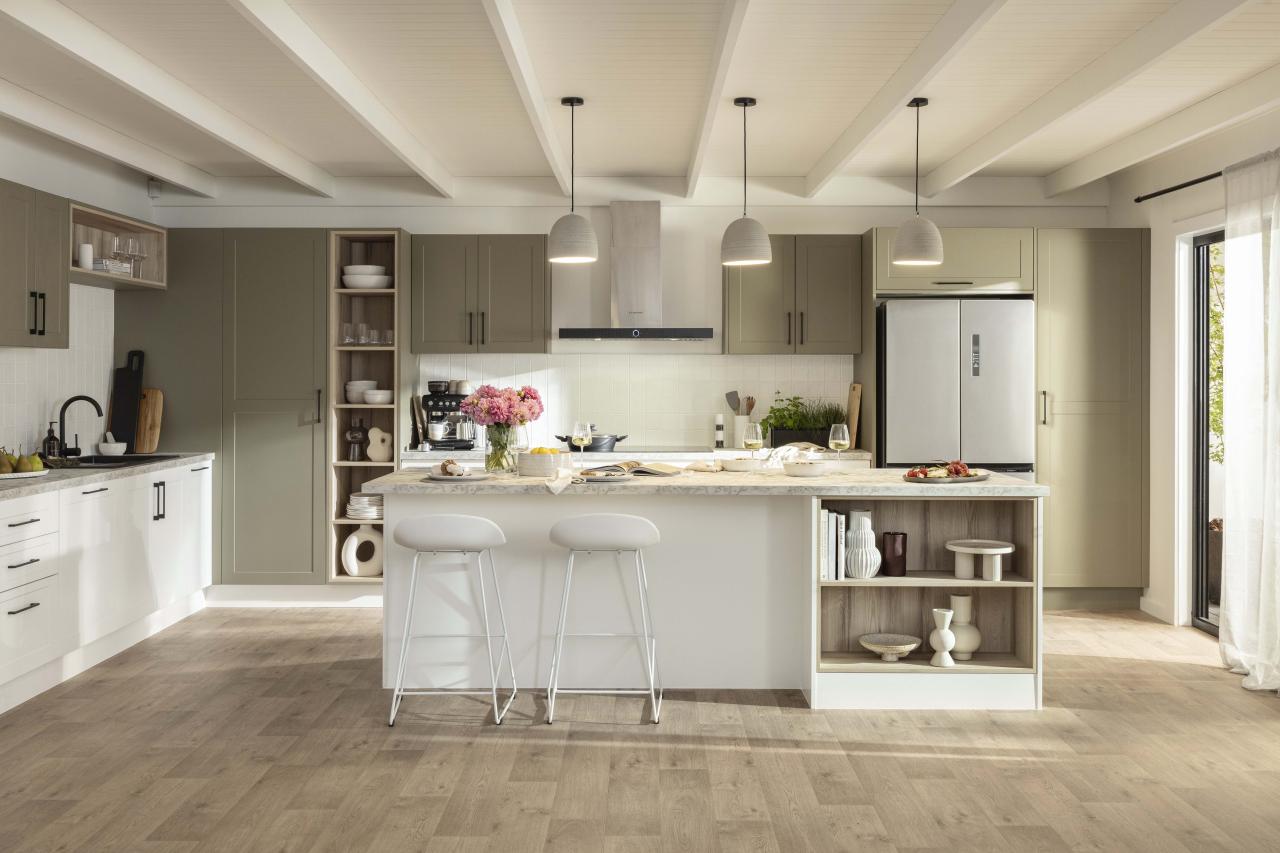
When it comes to renovating your kitchen on a budget, DIY techniques can make a significant impact without breaking the bank. By updating cabinets, countertops, and backsplashes, you can achieve a designer look without overspending. Let's explore some innovative ideas to transform your kitchen into a stylish space.
Updating Cabinets
One cost-effective way to update your cabinets is by giving them a fresh coat of paint. Choose a trendy color that complements your kitchen's aesthetic and instantly modernizes the space. You can also consider replacing old hardware with sleek, modern handles for a quick and easy upgrade.
Revamping Countertops
- Consider painting laminate countertops with a specialized countertop paint kit to mimic the look of stone or marble at a fraction of the cost.
- Alternatively, explore affordable countertop materials like butcher block or concrete for a unique and budget-friendly option.
Enhancing Backsplashes
Updating your backsplash can instantly elevate the look of your kitchen.
- Peel-and-stick tile backsplashes are a budget-friendly and easy-to-install option that comes in a variety of styles and designs.
- Consider painting your existing backsplash for a quick and inexpensive refresh, or opt for affordable subway tiles for a classic and timeless look.
Incorporating Trends Wisely
When incorporating trends into your kitchen design, focus on small, easy-to-update elements like accessories, lighting fixtures, or wall decor. This allows you to stay current without committing to expensive renovations that may quickly go out of style.
Maximizing Storage and Functionality
Creating a functional and organized kitchen space is essential, especially in small kitchens where storage can be a challenge. By maximizing storage and functionality, you can make the most out of your kitchen design while keeping it clutter-free and efficient.
Creative Storage Solutions for Small Kitchens
Small kitchens require smart storage solutions to optimize space. Here are some creative ideas to maximize storage in a limited area:
- Utilize vertical space with tall cabinets or shelving units.
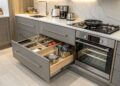
- Install pull-out drawers and shelves to make accessing items easier.
- Use hooks or racks on the backs of cabinet doors for extra storage.
- Consider incorporating a kitchen island with built-in storage options.
Maximizing Functionality in a Limited Space
Functionality is key in a small kitchen to ensure that every inch of space is utilized effectively. Here are some tips to maximize functionality in a limited area:
- Opt for multi-functional furniture pieces, such as a table that can also serve as a workspace or storage unit.
- Invest in space-saving appliances to free up counter space.
- Organize your kitchen tools and utensils in a way that makes them easily accessible.
- Consider installing task lighting to brighten up work areas and improve functionality.
Organization Tips for Maintaining a Clutter-Free Kitchen
Keeping your kitchen organized is essential for maintaining a clutter-free space. Here are some organization tips to help you stay on top of kitchen clutter:
- Declutter regularly by getting rid of items you no longer use or need.
- Use clear containers or labels to easily identify the contents of your storage containers.
- Assign specific areas for different categories of items, such as cooking utensils, pantry items, and cleaning supplies.
- Implement a daily or weekly cleaning routine to ensure that your kitchen stays organized and clutter-free.
Lighting and Color Schemes
When it comes to kitchen design, lighting and color schemes play a crucial role in creating a designer look on a modest budget. Proper lighting can enhance the functionality and ambiance of the space, while the right color scheme can elevate the overall aesthetic.
Importance of Lighting in a Kitchen Design
Good lighting is essential in a kitchen for both practicality and aesthetics. It not only helps you see what you're doing while cooking but also sets the mood and highlights key design elements. Here are some tips for choosing the right lighting for your DIY kitchen:
- Consider a mix of task lighting, ambient lighting, and accent lighting to create a well-lit and visually appealing space.
- Utilize under cabinet lighting to illuminate work surfaces and create a warm ambiance.
- Opt for energy-efficient LED lights to save on electricity bills in the long run.
Choosing the Right Color Scheme
The color scheme you choose for your kitchen can significantly impact the overall look and feel of the space. Here are some tips for selecting the perfect color palette:
- Neutral colors like white, beige, and gray can create a timeless and sophisticated look.
- Adding pops of color through accessories or an accent wall can inject personality and style into the space.
- Consider the natural light in your kitchen when choosing colors to ensure they look their best in different lighting conditions.
Transforming the Aesthetic with Lighting and Colors
By strategically incorporating lighting and colors into your kitchen design, you can transform the space into a designer haven without breaking the bank. The right lighting can highlight architectural features and design elements, while the perfect color scheme can tie everything together seamlessly.
Experiment with different combinations to find what works best for your DIY kitchen renovation project.
FAQ Compilation
How can I achieve a designer look in my kitchen on a modest budget?
By incorporating cost-effective design tips, prioritizing where to splurge, and where to save, and exploring creative storage solutions, you can achieve a designer look without overspending.
What are some budget-friendly alternatives for materials and finishes?
Opting for laminate countertops, vinyl flooring, and refinishing cabinets instead of replacing them are some cost-effective alternatives for materials and finishes.
How important is lighting and color schemes in a kitchen design?
Lighting plays a crucial role in enhancing the overall aesthetic of a kitchen, while choosing the right color scheme can elevate the designer look you want to achieve.